
The Election Cycle Just Changed Who Controls Billions in Local Government Technology Budgets -- and Most Vendors Have Not Updated Their Contact Lists to Reflect It

 City Governments
  0
0
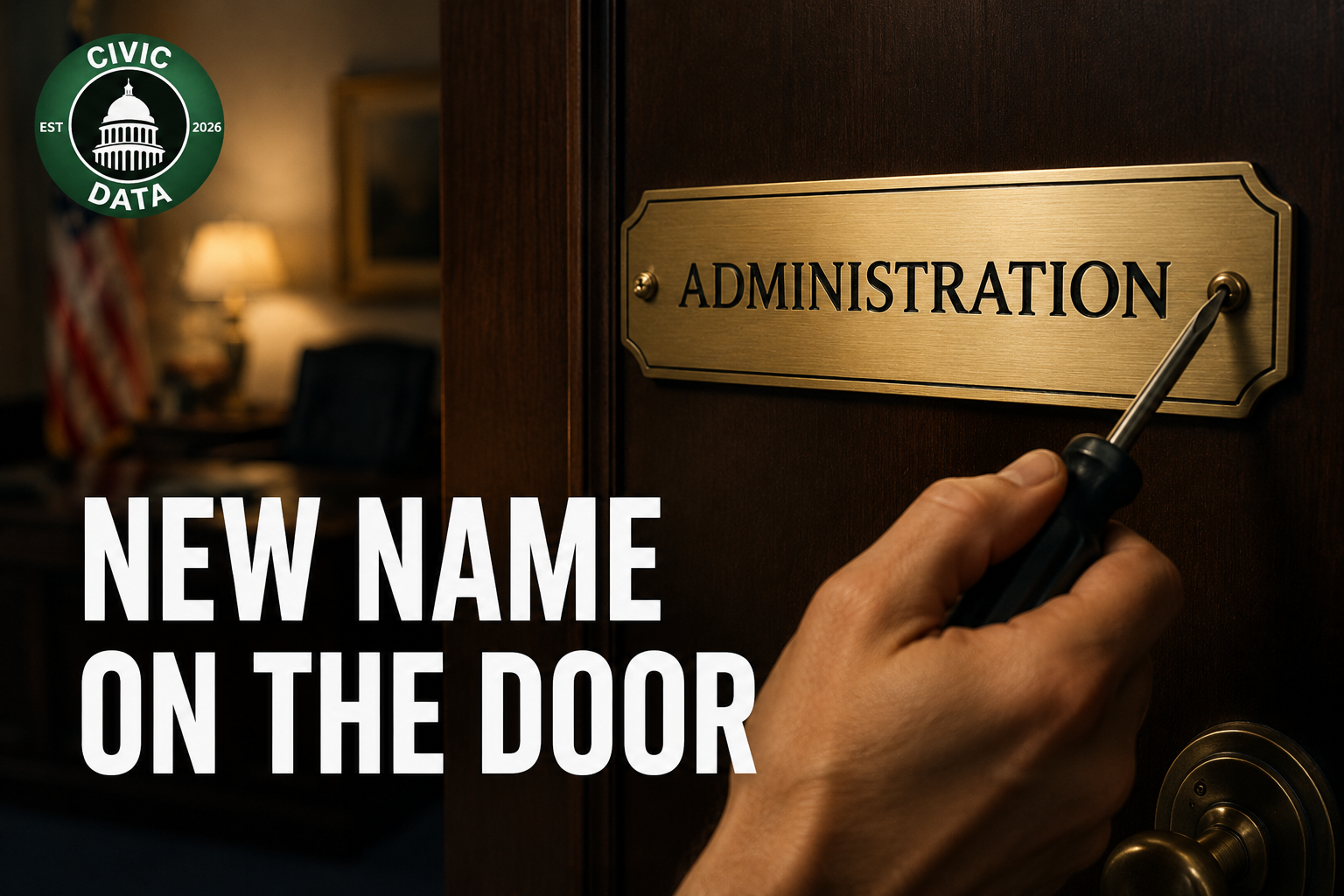
Even-year elections turn over a meaningful share of local government leadership. New officials spend their first 90 to 120 days building vendor relationships from scratch. Most government mailing lists do not catch this window before it closes.
The Election Cycle Just Changed Who Controls Billions in Local Government Technology Budgets -- and Most Vendors Have Not Updated Their Contact Lists to Reflect It
Every even-numbered year, American local government experiences a structural reset that most GovTech vendors treat as background political noise rather than the purchasing event it actually is. Mayors are elected and replaced. County executives turn over. City council majorities shift. In states with elected school boards, board compositions change, sometimes dramatically, in response to local political dynamics that have nothing to do with technology purchasing but everything to do with who will be making technology purchasing decisions for the next two to four years.
The practical consequence of this turnover is straightforward and almost entirely unaddressed by standard government vendor outreach strategy: a meaningful share of the administrators who control local government technology budgets change every election cycle, and the vendors who understand this and time their outreach accordingly are reaching decision-makers during the specific window when they are most receptive to building new vendor relationships -- before those relationships are locked in under the incoming administration.
Why New Administrations Are the Best Outreach Window in Government Sales
A newly elected mayor, county executive, or council majority arrives in office with a transition period -- typically the first 90 to 120 days -- during which they are simultaneously learning the operational realities of governing, evaluating the performance and relationships of incumbent vendor contracts, and in many cases bringing in new appointed staff who have their own professional networks and vendor preferences distinct from the outgoing administration.
This transition window is the single highest-receptivity period in the entire government sales calendar for a specific and important reason: the incoming administration has not yet locked in the vendor relationships that will define their technology landscape for the duration of their term. A vendor who reaches a new City Manager, a new state agency commissioner, or a new county IT director within the first 90 days of their tenure is having a conversation with someone who is actively building their professional network and is not yet committed to the previous administration's vendor choices. A vendor who reaches the same official in month fourteen of their term is competing against relationships that have already solidified.
This transition-window dynamic is the same pattern documented in Civic Data's research on the cybersecurity mandate wave and new administrator appointments, where the first 60 to 90 days of a Chief AI Officer or Cybersecurity Coordinator's tenure represents the highest-value relationship-building window for vendors serving those specific technology categories. The election cycle creates the same dynamic at a much larger scale -- not one new appointee at one agency, but potentially dozens or hundreds of new elected and appointed officials across every jurisdiction that experienced meaningful electoral turnover in a given cycle.
What Actually Changes After an Election
Understanding what changes -- and what does not -- after an election is essential to building an effective post-election outreach strategy. Not every elected official turnover produces the same purchasing reset, and vendors need to distinguish between the changes that matter for technology purchasing and the ones that do not.
Mayoral and county executive transitions produce the most significant purchasing resets because these roles typically have direct appointment authority over department heads, including the CIOs, CFOs, and operational directors who control most of a jurisdiction's technology budget. A new mayor who appoints a new City Manager and a new CIO has effectively reset the entire technology purchasing leadership of the jurisdiction within their first several months in office, even though the underlying budget process and council approval requirements remain unchanged.
City council and county board transitions matter most when they shift the majority coalition in ways that change strategic priorities -- a council that campaigned on cybersecurity investment after a high-profile ransomware incident, or a county board that campaigned on infrastructure modernization, creates budget authorization priorities that did not exist under the previous council composition, even when the administrative staff implementing those priorities remain unchanged.
School board transitions in elected-board states are particularly significant for K-12-adjacent civic technology vendors, because school board composition changes can produce rapid shifts in superintendent tenure -- a new board majority frequently results in superintendent turnover within the following 12 to 18 months, which in turn resets the technology vendor relationships that the superintendent's office controls.
Identifying Which Jurisdictions Just Had Meaningful Turnover
The practical challenge for GovTech vendors is identifying, at scale, which of the thousands of local government jurisdictions in the country just experienced meaningful leadership turnover that creates a purchasing reset opportunity. This is not difficult information to find, but it requires active monitoring that most static government mailing lists do not perform.
State and local election results are publicly available and searchable within days of every election cycle. Cross-referencing election results against incumbent versus challenger outcomes identifies every jurisdiction where mayoral, county executive, or council majority turnover occurred. New official inauguration announcements, transition team formations, and the subsequent appointment announcements for City Manager, CIO, CFO, and other senior administrative positions are typically covered in local news and published in government press releases within the first 60 days of a new term beginning.
Building this monitoring into government contact database maintenance is the difference between a civic mailing list that identifies the transition window in real time and one that only reflects the new official's contact information months after the highest-receptivity period has already closed. This monitoring approach is the same infrastructure documented in Civic Data's research on new government administrator appointments as outreach triggers -- applied at the scale of an entire election cycle rather than individual appointment events.
The Outreach Strategy for the Post-Election Window
Outreach to newly elected and newly appointed officials during the transition window needs to be calibrated differently than standard government vendor outreach, because the contact's priorities and available bandwidth are genuinely different during this period than they will be once the administration settles into its operational rhythm.
The message should acknowledge the transition context directly and offer value relevant to a new administration's specific needs -- briefing materials on the current state of technology infrastructure relevant to their department, peer jurisdiction comparisons that help a new official benchmark their organization's technology posture against comparable governments, or simply an offer to provide context on the vendor landscape relevant to priorities the new administration has publicly stated.
The relationship-building emphasis should outweigh the immediate sales emphasis during this window. A new official is not necessarily ready to make a purchasing decision in their first 90 days, but the relationships established during this period are the ones that determine which vendors get invited into the purchasing conversations that happen six, twelve, and eighteen months later, once the administration has settled in and budget cycles align with actual decision-making capacity.
The cooperative purchasing angle remains relevant even in the relationship-building phase. A new CIO or procurement official who learns early in their tenure that a vendor is available on a cooperative purchasing contract has that information available when a purchasing need arises later, rather than discovering it for the first time during a compressed RFP timeline. This connects to the broader cooperative purchasing strategy documented in Civic Data's research on procurement navigation for GovTech vendors -- the pre-relationship advantage that wins deals before the formal procurement process even begins.
Building Civic Mailing Lists That Capture the Election Cycle Opportunity
- Build election result monitoring into your government contact database maintenance cycle, with active updates in the 60 to 90 days following every even-year election covering mayoral, county executive, council, and school board races.
- Segment newly elected and newly appointed officials as a distinct, high-priority contact tier with outreach calibrated to relationship-building rather than immediate sales conversion.
- Track subsequent appointment announcements -- new CIOs, CFOs, City Managers, and department heads appointed by newly elected executives -- as a second wave of transition-window contacts that follows the initial election results by several weeks to months.
- Prioritize jurisdictions where the electoral outcome signals a strategic priority shift relevant to your product category -- a council that campaigned on cybersecurity, infrastructure, or specific technology modernization themes.
- Maintain the transition-window outreach sequence as evergreen infrastructure that activates automatically following every election cycle, rather than building it as a one-time campaign that requires manual rebuilding every two years.
Conclusion
Every even-year election cycle resets a meaningful share of the local government technology purchasing landscape across the country, creating a transition window where newly elected and newly appointed officials are building vendor relationships from scratch and have not yet locked in the patterns that will define their administration's technology purchasing for years to come. This is one of the highest-value and most consistently underutilized outreach windows in the entire government sales calendar.
The vendors whose government mailing lists actively monitor election outcomes and build relationship-focused outreach into the first 90 to 120 days of every new administration are positioning themselves for purchasing conversations that happen months later, when the new officials have settled into their roles and are ready to make the technology decisions that the campaign and transition period set the stage for. The vendors who wait for the standard RFP process to begin are arriving after the relationships that determine RFP outcomes have already been built.
K12 Data -- Build a List | Pricing | Blog College Data -- Build a List | Pricing | Blog Physician Data -- Build a List | Blog Civic Data -- Build a List | Blog K12 Talent -- Post a Job | Search Jobs | Blog