
The State Agencies That Fund Schools and Colleges Are the Most Underused Government Contact List in the Country

 State Agencies
  0
0
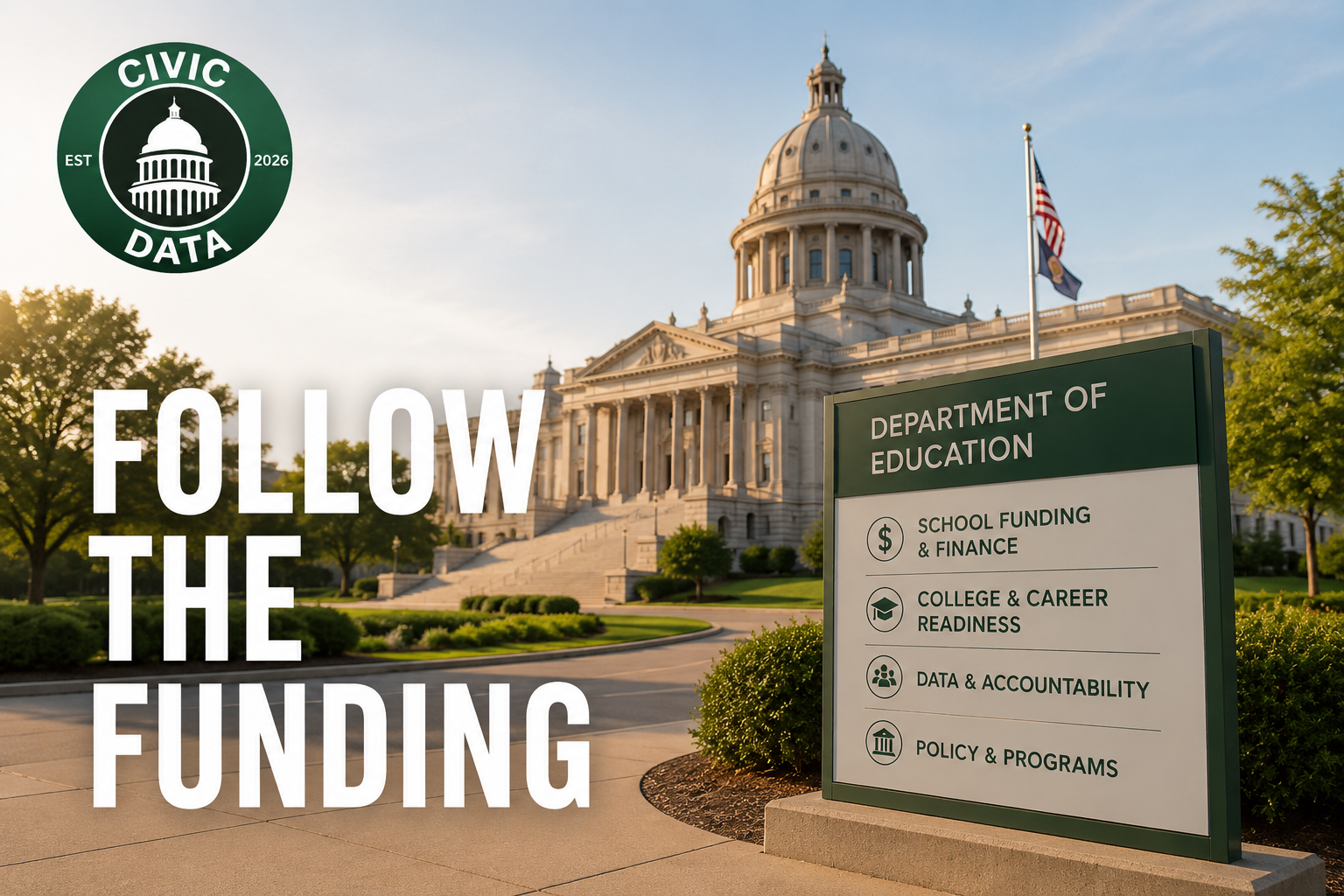
State departments of education and state higher-ed coordinating boards control enormous funding flows into both K-12 districts and colleges. Most vendors targeting either market have never reached the state agency layer above them.
The State Agencies That Fund Schools and Colleges Are the Most Underused Government Contact List in the Country
Every vendor selling into K-12 districts or higher education institutions is, whether they recognize it or not, also selling into a market shaped by a layer of government officials they have probably never directly reached: the state department of education and the state higher education coordinating board that control a meaningful share of the funding flowing into every district and every public college and university in their state.
This state agency layer sits above the individual district or institution in a way that most education-focused vendors have never built into their contact strategy, because school mailing lists and college mailing lists are, by design, built around the individual buying entity -- the district, the college, the university. The state officials who determine funding formulas, administer grant programs, set policy priorities, and in many cases directly influence which technology categories districts and colleges are incentivized or required to adopt are a structurally separate contact layer that most education vendors have simply never thought to target.
What State Education Agencies Actually Control
State departments of education administer state funding formulas that determine the baseline per-pupil allocation every district in the state receives, which means a state policy change in the funding formula has direct, immediate budget implications across every single district simultaneously -- a far larger and more synchronized event than any individual district's budget decision. They also administer the state-level distribution of major federal grant programs, including the school safety grants, mental health funding, and CTE infrastructure investments documented elsewhere in this content series, which means the state agency official managing grant distribution is often the gatekeeper determining which districts receive funding and what categories of spending that funding is restricted to.
State higher education coordinating boards and offices play an analogous role for colleges and universities -- setting state appropriation formulas for public institutions, administering state-level financial aid programs, and in many states directly overseeing the policy and accountability frameworks that shape institutional strategic priorities. A state higher education official who sets a new state policy priority around workforce credential attainment, for instance, can create a funding and accountability incentive that reshapes purchasing priorities across every public institution in the state simultaneously.
Why Vendors Targeting K-12 or Higher Ed Specifically Need This Layer
A vendor selling school safety technology who has built outreach exclusively around district-level Directors of School Safety, reached through K12 Data, is reaching the people who spend the money. They are missing the state education agency officials who administer the grant program funding that spending in the first place, and who frequently have direct influence over which technology categories grant funds can be spent on. A vendor with relationships at both the district level and the state agency level is positioned to understand grant program design before it is finalized, to be present in conversations about which technology categories future grant cycles will prioritize, and to reach districts with grant-funded purchasing power before competitors who are only watching the district level even know the money is available.
The same dynamic applies directly to higher education. A vendor selling enrollment technology, workforce credential infrastructure, or student success platforms who has built outreach exclusively around individual institutions, reached through College Data, is missing the state higher education officials who set the policy priorities, accountability metrics, and in many cases the direct funding incentives that determine which technology categories institutions across an entire state system feel pressure to adopt.
The Combined Play: State Agencies Plus Districts Plus Colleges
The most effective version of this strategy is not state agency contacts as a replacement for district and college contacts -- it is state agency contacts as a force multiplier layered on top of the district and college relationships vendors are already building through K12 Data and College Data. A vendor with civic mailing list contacts at the state department of education and state higher education coordinating board level, combined with school mailing list contacts at the district level and college mailing list contacts at the institution level, has visibility into the full funding and policy chain from the state capitol down to the individual classroom or campus.
This combined visibility matters most at exactly the moments documented elsewhere in this content series -- the ESSER funding cliff decisions happening in district budget offices right now, the cooperative purchasing vehicles that state agencies frequently administer or heavily influence, and the grant-funded purchasing windows that open and close on a calendar set by state agency administrative decisions rather than the standard district or institutional budget cycle. A vendor who only watches the district or institution level is reacting to purchasing decisions after the state-level policy and funding decision that created them has already been made. A vendor with state agency visibility is positioned to see those decisions coming.
Building Government Mailing Lists That Capture This Layer
- Add state department of education program directors and state higher education coordinating board officials as a distinct, named contact category in your government mailing list strategy, segmented by the specific funding program or policy area relevant to your product category.
- Cross-reference state agency contacts against the school mailing list and college mailing list contacts you already have at the district and institution level within the same state, building a complete state-to-district-to-classroom or state-to-institution-to-department contact map.
- Track state legislative sessions and state board of education meeting agendas as leading indicators of funding formula changes, new grant program announcements, and policy priority shifts that will create purchasing urgency at the district and institution level in the following 12 to 24 months.
- Prioritize states where you already have meaningful district or institution-level customer concentration, since state agency relationships in those states will have the most immediate practical value for expanding and accelerating sales into accounts you are already pursuing.
Conclusion
The state agency layer above school districts and colleges and universities is one of the most consequential and most underused contact categories in the entire education vendor market. Vendors who have built strong district relationships through K12 Data or strong institutional relationships through College Data are doing real and valuable work, but they are operating with only part of the picture if they have never reached the state officials who administer the funding formulas, grant programs, and policy priorities that shape what districts and institutions are able and incentivized to buy in the first place. The vendors who add civic mailing list visibility at the state agency level to their existing K-12 and higher education contact strategy are seeing the full funding chain, not just the purchase order at the end of it.
K12 Data -- Build a List | Pricing | Blog College Data -- Build a List | Pricing | Blog Physician Data -- Build a List | Blog Civic Data -- Build a List | Blog K12 Talent -- Post a Job | Search Jobs | Blog