
State and Local Government Technology Spending in 2026: Where the Budget Is and Who Controls It

 State Agencies
  0
0
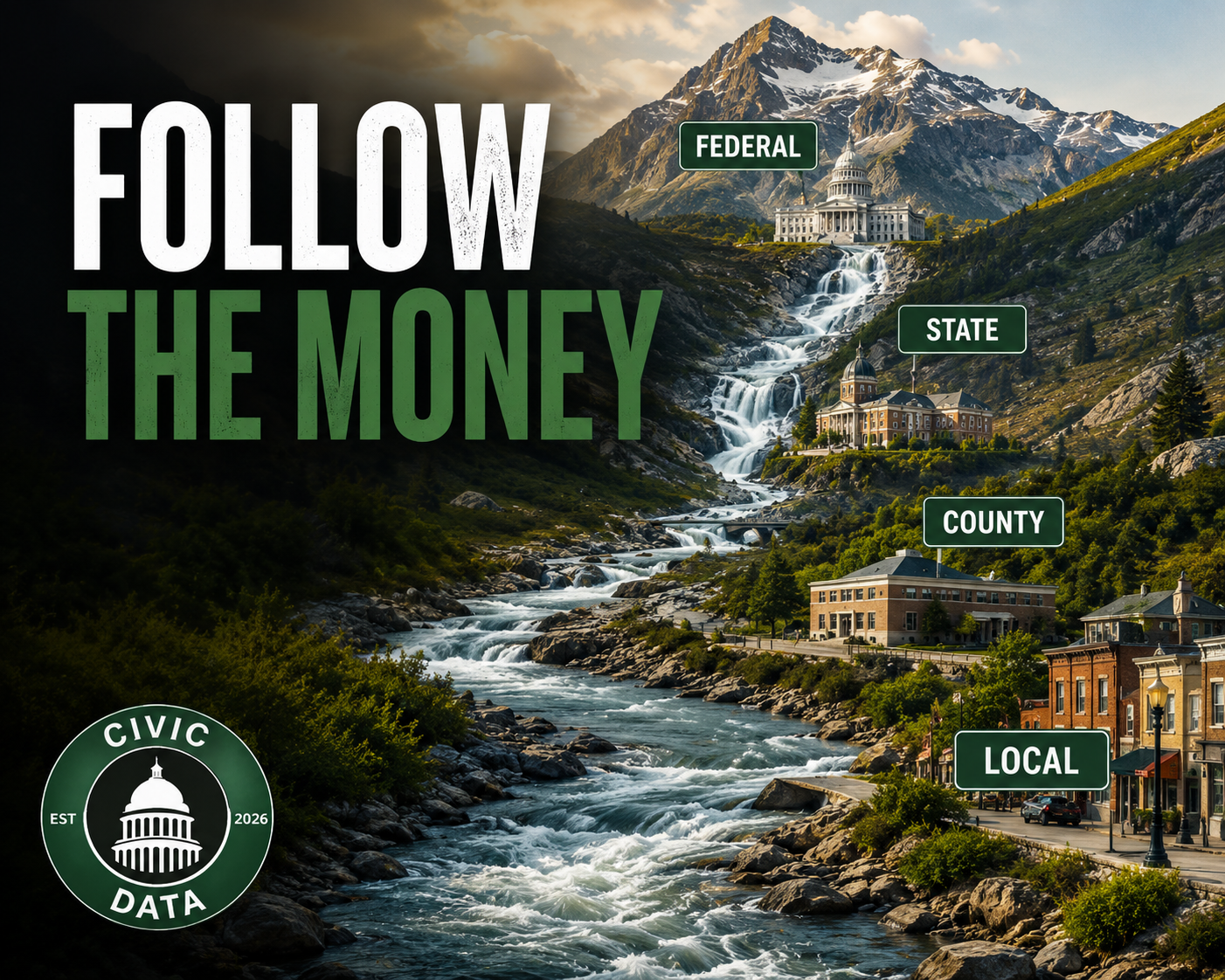
State and local government technology spending has surpassed federal in many categories in 2026. Here is where the budget is concentrated, who controls it, and how to reach the right decision-makers.
State and Local Government Technology Spending in 2026: Where the Budget Is and Who Controls It
By Charles Isham, Founder, Civic Data | civic-data.com
State and local government technology spending has become the most important segment of the public sector technology market in 2026. The federal workforce restructuring that redistributed procurement authority from Washington to state capitals and county seats has accelerated a trend that was already building: the shift of technology investment from the federal level, where budget battles, continuing resolutions, and political uncertainty create procurement volatility, to the state and local level, where population growth, service delivery demands, and federal program devolution are driving consistent and growing technology investment.
For vendors selling technology, software, services, and data solutions into the government market, the practical implication is that the state and local government technology spending landscape is where the most accessible, most consistently funded, and fastest-growing pipeline lives in 2026. The federal market remains important for the right categories, but the state and local market is where most vendors should be concentrating their contact data investment and their outreach activity.
This post covers the state and local government technology spending landscape in detail: where the budget is concentrated, which agencies and government functions are investing most actively, who controls the purchasing decisions, and how to reach the right decision-makers using verified government contact data.
The Scale of State and Local Government Technology Spending
State and local governments collectively represent the largest segment of government technology spending in the United States by a significant margin. The federal government receives more individual attention from technology vendors because of its visibility and the scale of individual contract vehicles, but the aggregate technology spending of 50 state governments, approximately 3,000 county governments, and more than 35,000 municipal governments dwarfs federal discretionary technology spending in most categories.
The specific growth drivers in 2026 are worth understanding because they create targeted opportunity for vendors in specific categories. Federal program devolution is adding new administrative responsibilities to state agencies that previously did not manage those programs, creating demand for the technology infrastructure to support them. Population growth in Sunbelt states is driving municipal service expansion and the technology investment that goes with it. Aging legacy infrastructure at state and local agencies is creating upgrade demand that has been deferred for years and is now becoming critical.
The federal restructuring has also created a category-specific shift in state and local government technology spending priorities. As federal agencies reduce workforce and capability in certain program areas, state agencies are being asked to do more with their own resources, creating demand for the efficiency and automation technology that enables smaller teams to maintain service delivery at previous levels or better.
Where State Government Technology Spending Is Concentrated
State IT Departments and Enterprise Technology
The state Chief Information Officer and the state Department of Information Technology are the primary gatekeepers for enterprise technology spending across state agencies. In states with centralized IT governance, the state CIO may have significant authority over technology purchases across multiple agencies. In states with more decentralized governance, individual agency CIOs have greater purchasing autonomy within their domains.
The highest-spending categories in state IT include cybersecurity infrastructure, which has become a budget priority across virtually every state following high-profile ransomware attacks on government systems. Cloud migration, as state agencies continue moving legacy systems to cloud platforms. Data analytics and business intelligence, as accountability requirements from legislatures and federal partners create demand for better data capabilities. And citizen services modernization, as states compete to improve the digital experience of residents interacting with government services.
State Education Technology Spending
State education agencies are among the largest single technology spenders within state government because they oversee both the direct technology needs of state education departments and the technology funding flows to K-12 school districts and community colleges. Federal education funding that flows through state education agencies, including Title I, Title III, Perkins V, and IDEA, is administered by state education technology staff who have significant influence over how those funds are spent at the district level.
The connection between state education technology spending and K-12 district purchasing described in the K-12 budget calendar post at k12-data.com/k12-budget-calendar-outreach-timing is direct: state-level budget decisions and guidance determine the technology categories that are fundable at the district level. Vendors who build relationships with state education technology staff are positioned to influence purchasing across entire state systems rather than district by district.
State Health and Human Services Technology
State health and human services agencies are consistently among the largest technology spenders in state government. Medicaid management information systems, case management platforms, eligibility determination systems, and public health data infrastructure all require significant ongoing technology investment. The COVID-19 pandemic revealed significant gaps in state public health technology infrastructure that state agencies have been actively addressing with both federal relief funds and state appropriations.
For healthcare technology vendors, state health agencies represent a significant and often underserved market. The decision-makers are state agency health IT directors and CIOs, not clinical administrators, and the procurement processes are formal and competitive. But the contract values are large and the relationships, once established, are durable.
Where Local Government Technology Spending Is Concentrated
County Government Technology
County governments are the most underserved segment of the local government technology spending market and one of the most accessible. County IT directors, county administrators, and county elected officials collectively manage significant technology budgets across functions including public safety, courts, elections, property assessment, social services, and public health.
The federal program devolution described throughout Civic Data content has made county government technology spending more significant in 2026 than at any prior point. Counties are administering programs in housing, workforce development, and public health that previously had federal program offices managing implementation. The technology to support those programs is now a county procurement responsibility.
County government procurement is generally more accessible than state procurement. A county IT director making a technology purchase decision can often move from initial vendor contact to a purchase order in weeks rather than the months-to-years timeline of state procurement. And the per-county contract value, while smaller than a state contract, compounds across hundreds of counties in a systematic outreach strategy.
Municipal Technology Spending
Municipal technology spending is the most fragmented and in aggregate the largest segment of local government technology procurement. From large cities with multi-million dollar annual technology budgets and professional procurement departments to small towns where a single administrator manages all technology purchasing, the municipal market is enormous and enormously varied.
The highest-growth categories in municipal technology spending in 2026 include public safety technology as cities invest in communication systems, body cameras, and data analytics platforms. Infrastructure management technology as aging water, sewer, and transportation infrastructure requires digital monitoring and management systems. Permitting and licensing software as cities modernize their development approval processes. And financial management systems as municipal finance departments upgrade legacy accounting and budgeting platforms.
Reaching municipal decision-makers requires a contact database that covers city managers, IT directors, department heads, and in many cases elected mayors and council members who directly influence technology priorities in smaller municipalities. Civic Data maintains verified contacts across the full spectrum of municipal government, from major cities to small towns, across all 50 states.
Who Controls State and Local Government Technology Purchasing Decisions
Understanding who controls state and local government technology spending requires distinguishing between the technical evaluator, the budget authority, and the final approver, which are different roles at different organizational levels.
At the state level, the technical evaluator for enterprise technology is typically the agency CIO or IT director. The budget authority sits with the agency director or secretary and the state budget office. For large contracts, legislative approval or notification may be required. The state CIO in centralized IT governance states is often both the technical evaluator and a significant budget authority.
At the county level, the technical evaluator is typically the county IT director. Budget authority sits with the county administrator, county manager, or county executive. For purchases above the administrative threshold, county board or commission approval is required. For counties with strong elected executive structures, the county executive may be directly involved in significant technology decisions.
At the municipal level, the structure varies by city governance model. In city manager governments, the city manager and department heads control most administrative purchasing with council approval for larger items. In strong mayor governments, the mayor may be directly involved in technology decisions that in manager-governed cities would be purely administrative.
Civic Data's government contact database is segmented by role level, agency type, and government structure, enabling vendors to build contact lists that cover the technical evaluator, budget authority, and approval contacts at each government level simultaneously. Visit civic-data.com to explore the database and build a targeted state and local government contact list at civic-data.com/build-a-list.
How to Align Outreach to State and Local Government Budget Cycles
State and local government budget cycles vary significantly by jurisdiction, making calendar-based outreach planning more complex than in the K-12 or corporate markets. The general principles described in the K-12 budget calendar post at k12-data.com/k12-budget-calendar-outreach-timing apply with modifications: the fall planning window, the spring approval window, and the year-end spending window are present in most state and local government fiscal calendars.
Most state governments operate on a fiscal year running July 1 to June 30, with budget planning running through the fall and winter legislative session and budget adoption in the spring. The most productive outreach window for state-level budget influence is September through December, when agency budget requests are being prepared.
County and municipal fiscal years vary more significantly. Some align with state fiscal years. Others run January 1 to December 31. Confirming the fiscal year of target jurisdictions before designing a campaign calendar is important for maximizing outreach timing effectiveness.
The federal restructuring has added a supplementary budget context at the state and local level: agencies receiving devolved program responsibilities are in many cases receiving funding transfers from the federal level that create new technology purchasing authority on timelines that do not align with standard budget calendars. These transfer-funded purchases are often the fastest-moving opportunities in the current government technology market because the funds are available and the spending need is immediate.
Frequently Asked Questions
How much do state and local governments spend on technology annually?
State and local governments collectively represent the largest segment of government technology spending in the United States, significantly exceeding federal discretionary technology spending in most categories when aggregated across all 50 states, approximately 3,000 counties, and more than 35,000 municipal governments. Specific annual figures vary by year and definition, but research consistently places aggregate state and local government technology spending in the hundreds of billions of dollars annually across all technology categories including hardware, software, services, and data solutions.
What state government technology categories are seeing the most spending growth in 2026?
The highest-growth state government technology spending categories in 2026 are cybersecurity infrastructure following high-profile government ransomware incidents, cloud migration as states continue modernizing legacy systems, citizen services and digital government platforms, public health data infrastructure following COVID-19 investment, and the technology to support programs devolved from federal agencies including workforce development systems, housing program administration, and social services case management.
Who makes technology purchasing decisions at the county level?
County technology purchasing decisions involve the county IT director as technical evaluator, the county administrator or county manager as the administrative budget authority, and the county board or commission for purchases above the administrative approval threshold. In counties with strong elected executive structures, the county executive may be directly involved in significant technology decisions. The most accessible entry point for most vendors is the county IT director, who controls the evaluation process and typically makes the initial recommendation on which vendors to consider.
How has federal restructuring affected state and local government technology spending?
Federal restructuring has increased state and local government technology spending in multiple ways. Program devolution has transferred administrative responsibilities to state and local agencies that now need the technology infrastructure to support those programs. Federal workforce reductions at agencies that provided technical assistance to state counterparts have pushed states to build their own capabilities. And the uncertainty created by federal budget instability has motivated state and local governments to invest in systems that reduce their dependence on federal technology infrastructure.
What is the best way to reach state CIOs and state agency technology decision-makers?
State CIOs and agency technology decision-makers are most accessible through the industry events and associations that serve state government IT: NASCIO for state CIOs, PTI for municipal technology, the Government Technology conference series, and state-specific government technology associations. Direct outreach with mission-relevant messaging and peer government references is effective between events. Pre-RFP relationship building, described in detail at civic-data.com/build-government-pipeline-before-rfp-proactive-outreach, is the highest-value strategy for the large contracts that define state government technology revenue.
Conclusion
State and local government technology spending is the most important and most accessible segment of the public sector technology market in 2026. The federal restructuring has accelerated a budget authority migration that was already underway. Population growth, service delivery demands, and aging infrastructure are driving consistent technology investment at the state, county, and municipal levels. And the decision-makers who control that spending are more accessible through direct outreach than their federal counterparts.
Civic Data maintains verified contacts across the full spectrum of state and local government technology decision-makers, from state CIOs and agency IT directors to county administrators and municipal technology leaders, updated continuously to reflect the organizational changes created by federal restructuring and program devolution. Visit civic-data.com to explore the database and build a targeted state and local government contact list at civic-data.com/build-a-list.
Related Resources Across the Data Portfolio
K12 Data covers K-12 educator contacts at k12-data.com. School districts receive a significant share of state and local government technology funding. The K-12 budget calendar at
The K-12 Budget Calendar: When to Send, When to Wait, and When You Have Already Lost the Sale covers how district budget cycles align with state education funding flows described in this post. Build a K-12 district contact list at
College Data covers higher education contacts at college-leads.com. State universities and community colleges are major recipients of state government technology funding. The community college buyer profile at
How to Sell Into Community Colleges: The Buyer Profile, Budget Cycle, and Contact Strategy covers the budget and procurement dynamics of the two-year college sector, which receives significant state funding described in this post. Build a higher ed list at
college-leads.com/build-a-list.
Physician Data covers healthcare contacts at physician-data.com. State public health agencies and county health departments are major healthcare technology buyers within the government spending landscape. The MSO executive buyer post at
The MSO Executive Buyer: Who They Are, What They Care About, and How to Reach Them covers the decision-maker layer at government-adjacent healthcare organizations. Build a healthcare list at
physician-data.com/build-a-list.
Charles Isham is the founder and CEO of K12 Data, Inc. and a portfolio of B2B data platforms covering education, healthcare, and government. A U.S. veteran with more than 15 years in education data, he oversees more than 5 million verified contacts across K-20 education, healthcare, and public-sector verticals. Reach him at Charlie@k12-data.com. Learn more at civic-data.com.